
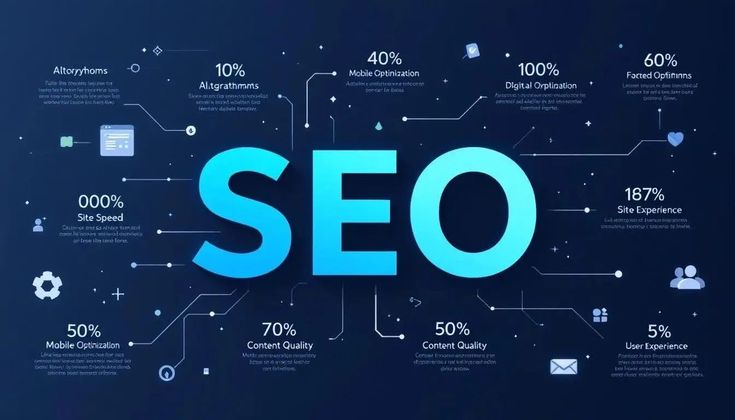
SEO stands for Search Engine Optimization. It is the process of improving a website so it ranks higher on search engines like Google. SEO involves using the right keywords, creating quality content, improving website speed, building backlinks, and making the site user-friendly. The goal of SEO is to increase visibility, attract more organic (free) traffic, and help businesses reach their target audience online. Effective SEO boosts credibility, improves brand awareness, and helps websites perform better than competitors.
6854d03b556279c5f0bfcd6af078f97c

1) Keyword Research: Keyword research involves identifying the words and phrases users type into search engines. It helps businesses target the right audience and create content that matches user intent.
2) On-Page SEO: On-page SEO focuses on optimizing elements like titles, headings, meta descriptions, content, and images. This improves page relevance and helps search engines understand the topic clearly.
3) Technical SEO: Technical SEO ensures a website is fast, mobile-friendly, and easy for search engines to crawl and index. It improves overall site performance and user experience.
4) Content Creation: Content creation involves producing useful, relevant, and engaging content optimized with keywords. Quality content attracts visitors and builds trust and authority.
5) Off-Page SEO (Backlinks): Off-page SEO focuses on earning links from reputable websites. Backlinks increase a site’s credibility and help improve search engine rankings.
6) Local SEO: Local SEO optimizes a business for location-based searches using local keywords and Google Business Profile. It helps attract nearby customers.
7) Performance Tracking: Performance tracking uses tools like Google Analytics and Search Console to monitor traffic and rankings. It helps measure results and improve SEO strategies.